What Should I Check Before Buying a Property?.
Learn what to check before buying a property, including ownership, condition, documents, location, costs, financing, maintenance and important due diligence checks..
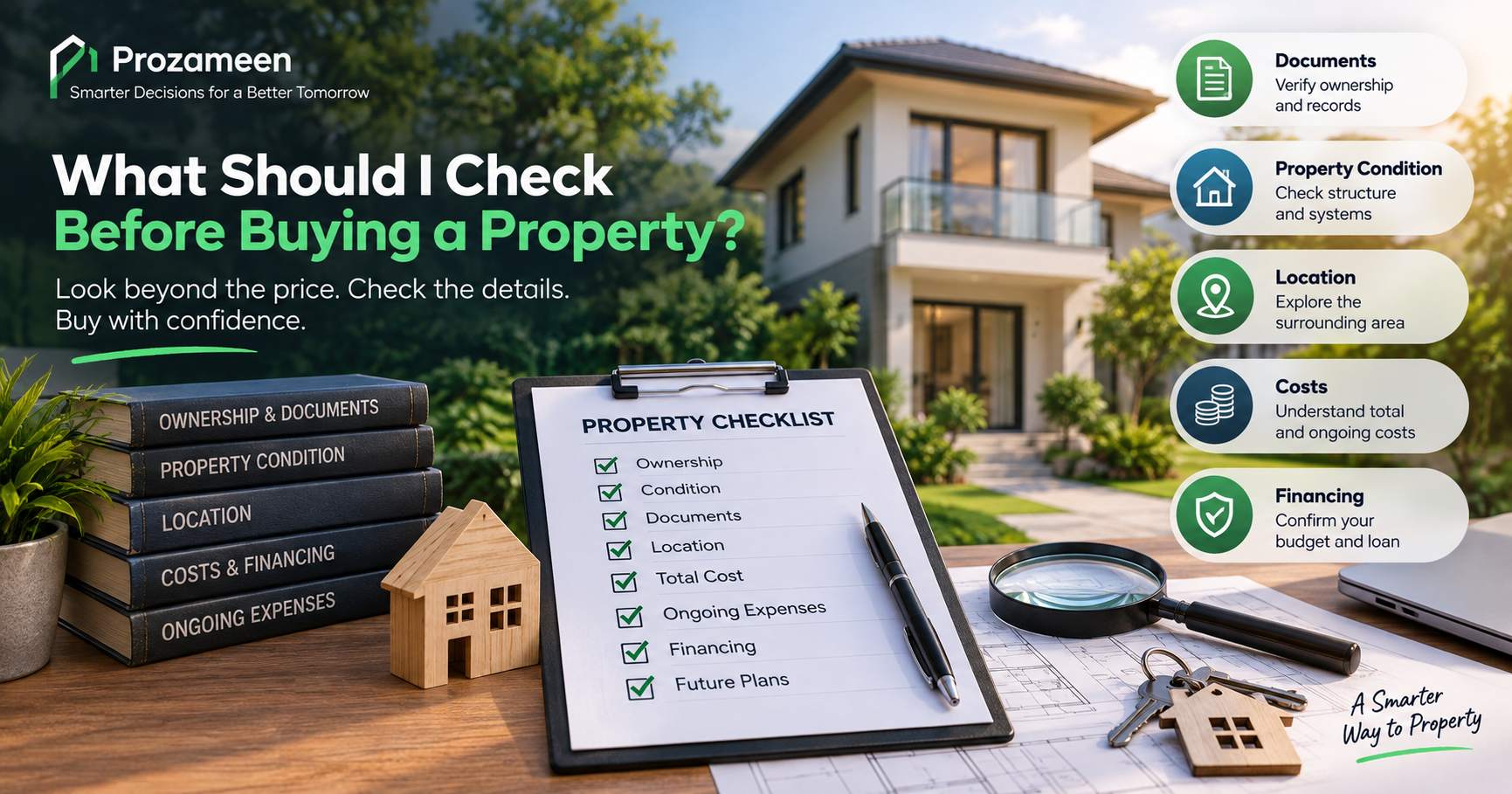
Before buying a property, check more than the price and appearance. Review the property's ownership, physical condition, location, documents, ongoing costs, financing requirements and any issues that could affect your future use or ownership.
A careful review before buying can help you identify questions that may need further investigation.
Before purchasing, work through the Property Due Diligence Guide and Property Viewing Checklist to review ownership documents, physical condition and other important checks.
Check the Property Ownership
Confirm that the person or organisation selling the property has the authority to do so.
Depending on the country and property type, review available information about:
Registered ownership
Property identification
Title or registration records
Rights affecting the property
Restrictions or obligations
Outstanding claims where applicable
Important ownership details should be verified through appropriate official sources or qualified professionals.
Inspect the Property Condition
Do not rely only on photographs or decoration.
Check important areas such as:
Walls and ceilings
Floors
Windows and doors
Plumbing
Electricity
Heating
Ventilation
Kitchen
Bathrooms
Roof where applicable
Signs of dampness or mould
If you notice possible structural or technical problems, consider an appropriate professional inspection.
Review Important Documents
Property documentation varies by country, but relevant records may include:
Ownership documents
Property registration
Purchase agreement
Building information
Renovation records
Maintenance information
Service-charge documents
Warranties
Relevant permits or approvals
Make sure you understand important documents before signing anything.
Research the Location
The property itself is only part of the buying decision.
Research the surrounding area, including:
Public transport
Commuting time
Shops and services
Schools where relevant
Traffic and noise
Parking
Parks and green areas
Nearby construction
Planned development
Where possible, visit the area at different times of the day.
Understand the Total Purchase Cost
The advertised price may not represent the full amount you will spend.
Additional costs can include:
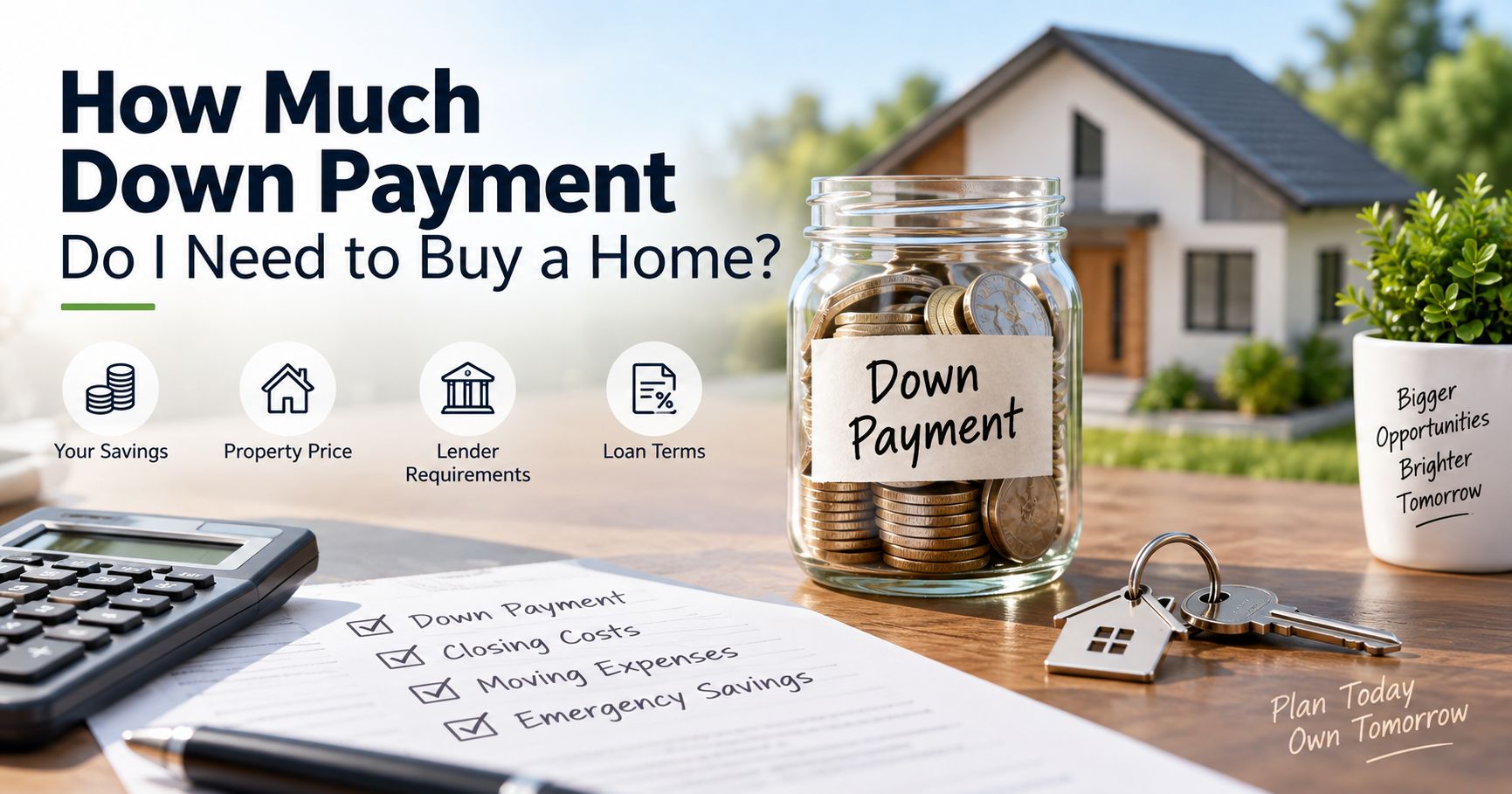
Down payment
Mortgage fees
Legal costs
Registration or transfer charges
Taxes where applicable
Property inspection
Insurance
Repairs
Renovation
Moving costs
Estimate the total purchase cost before deciding whether the property fits your budget.
Check Ongoing Ownership Costs
Some properties may appear affordable to buy but expensive to own.
Research recurring costs such as:
Mortgage payments
Property taxes where applicable
Insurance
Service or association charges
Utilities
Parking
Maintenance
Repairs
For apartments, review available information about building fees and planned major maintenance.
Compare Similar Properties
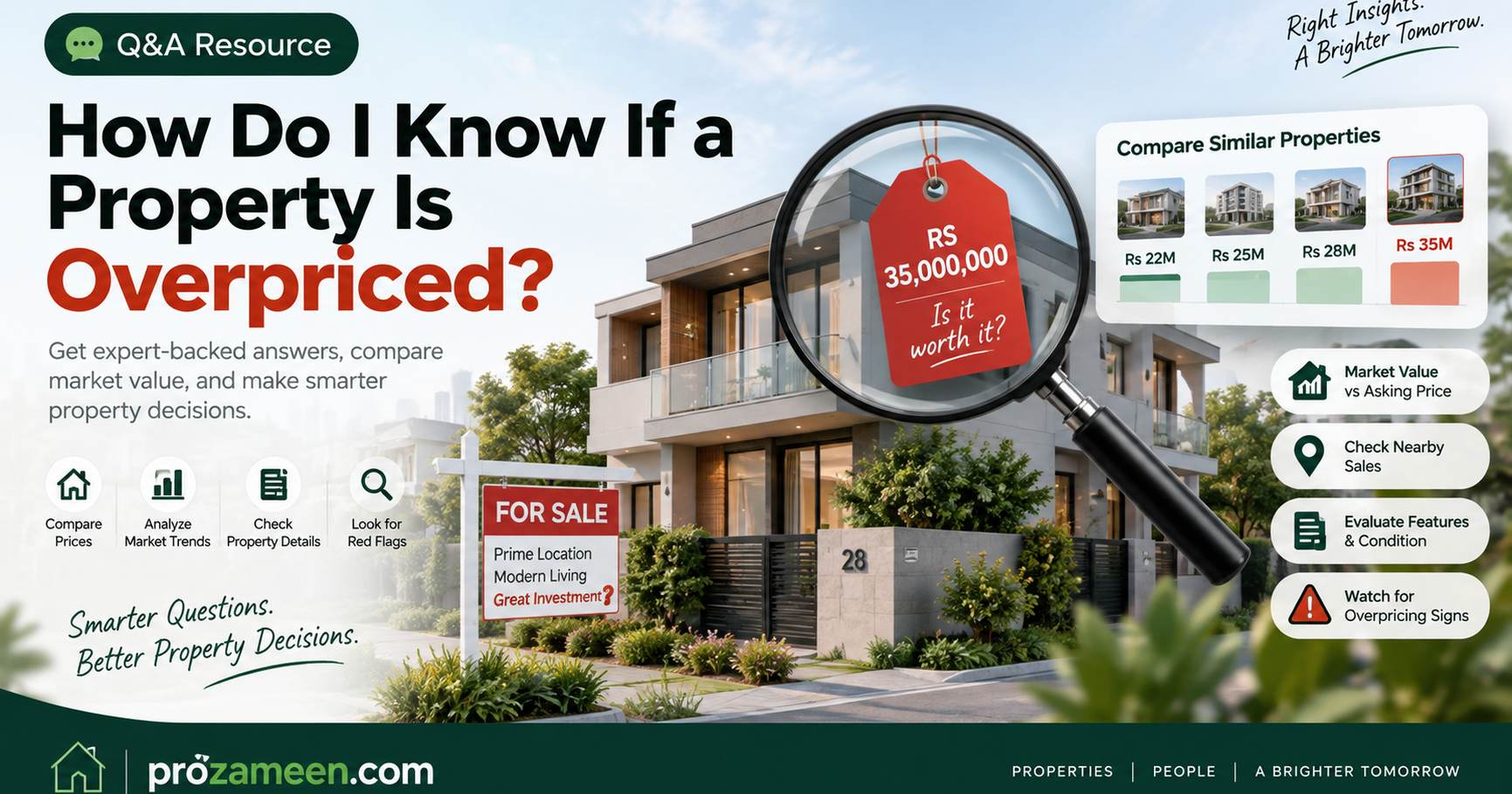
Before accepting the asking price, compare the property with similar homes.
Consider:
Location
Property type
Size
Condition
Age
Price per square meter
Amenities
Recent comparable transactions where available
This can help you understand whether the property appears reasonably positioned within its local market.
Use the Property Valuation Guide for Buyers & Investors and Property Comparison Tool to compare the asking price with similar properties and market evidence.
Ask About Repairs and Renovations
Find out whether major work has recently been completed or is expected.
Ask about:
Previous repairs
Renovations
Water damage
Electrical work
Plumbing
Roof work where applicable
Planned building maintenance
Future repairs can significantly affect your total ownership cost.
Confirm What Is Included
Make sure you know what comes with the property.
This may include:
Kitchen appliances
Built-in storage
Parking
Storage areas
Furniture
Fixtures
Outdoor spaces
Important included items should be clearly documented in the transaction where appropriate.
Review Your Financing
Before committing to a purchase, confirm that the property and purchase price fit your financing arrangements.
Consider:
Down payment
Loan amount
Interest rate
Monthly payment
Loan fees
Final lender approval
Mortgage pre-approval does not always guarantee final financing approval.
The Bottom Line
A good property decision requires checking the property, the paperwork, the location and the numbers together.
Avoid making a decision based only on appearance, emotion or the asking price.
Take time to verify important information and seek qualified professional assistance when an issue requires specialist knowledge.
Important Information
Property-buying procedures, ownership records, taxes, contracts and inspection requirements vary by country and property type.
Prozameen provides this Q&A for general informational and educational purposes only.
Before buying a property, check more than the price and appearance. Review the property's ownership, physical condition, location, documents, ongoing costs, financing requirements and any issues that could affect your future use or ownership.
A careful review before buying can help you identify questions that may need further investigation.
Before purchasing, work through the Property Due Diligence Guide and Property Viewing Checklist to review ownership documents, physical condition and other important checks.
Check the Property Ownership
Confirm that the person or organisation selling the property has the authority to do so.
Depending on the country and property type, review available information about:
- Registered ownership
- Property identification
- Title or registration records
- Rights affecting the property
- Restrictions or obligations
- Outstanding claims where applicable
Important ownership details should be verified through appropriate official sources or qualified professionals.
Inspect the Property Condition
Do not rely only on photographs or decoration.
Check important areas such as:
- Walls and ceilings
- Floors
- Windows and doors
- Plumbing
- Electricity
- Heating
- Ventilation
- Kitchen
- Bathrooms
- Roof where applicable
- Signs of dampness or mould
If you notice possible structural or technical problems, consider an appropriate professional inspection.
Review Important Documents
Property documentation varies by country, but relevant records may include:
- Ownership documents
- Property registration
- Purchase agreement
- Building information
- Renovation records
- Maintenance information
- Service-charge documents
- Warranties
- Relevant permits or approvals
Make sure you understand important documents before signing anything.
Research the Location
The property itself is only part of the buying decision.
Research the surrounding area, including:
- Public transport
- Commuting time
- Shops and services
- Schools where relevant
- Traffic and noise
- Parking
- Parks and green areas
- Nearby construction
- Planned development
Where possible, visit the area at different times of the day.
Understand the Total Purchase Cost
The advertised price may not represent the full amount you will spend.
Additional costs can include:
- Down payment
- Mortgage fees
- Legal costs
- Registration or transfer charges
- Taxes where applicable
- Property inspection
- Insurance
- Repairs
- Renovation
- Moving costs
Estimate the total purchase cost before deciding whether the property fits your budget.
Check Ongoing Ownership Costs
Some properties may appear affordable to buy but expensive to own.
Research recurring costs such as:
- Mortgage payments
- Property taxes where applicable
- Insurance
- Service or association charges
- Utilities
- Parking
- Maintenance
- Repairs
For apartments, review available information about building fees and planned major maintenance.
Compare Similar Properties
Before accepting the asking price, compare the property with similar homes.
Consider:
- Location
- Property type
- Size
- Condition
- Age
- Price per square meter
- Amenities
- Recent comparable transactions where available
This can help you understand whether the property appears reasonably positioned within its local market.
Use the Property Valuation Guide for Buyers & Investors and Property Comparison Tool to compare the asking price with similar properties and market evidence.
Ask About Repairs and Renovations
Find out whether major work has recently been completed or is expected.
Ask about:
- Previous repairs
- Renovations
- Water damage
- Electrical work
- Plumbing
- Roof work where applicable
- Planned building maintenance
Future repairs can significantly affect your total ownership cost.
Confirm What Is Included
Make sure you know what comes with the property.
This may include:
- Kitchen appliances
- Built-in storage
- Parking
- Storage areas
- Furniture
- Fixtures
- Outdoor spaces
Important included items should be clearly documented in the transaction where appropriate.
Review Your Financing
Before committing to a purchase, confirm that the property and purchase price fit your financing arrangements.
Consider:
- Down payment
- Loan amount
- Interest rate
- Monthly payment
- Loan fees
- Final lender approval
Mortgage pre-approval does not always guarantee final financing approval.
The Bottom Line
A good property decision requires checking the property, the paperwork, the location and the numbers together.
Avoid making a decision based only on appearance, emotion or the asking price.
Take time to verify important information and seek qualified professional assistance when an issue requires specialist knowledge.
Important Information
Property-buying procedures, ownership records, taxes, contracts and inspection requirements vary by country and property type.
Prozameen provides this Q&A for general informational and educational purposes only.