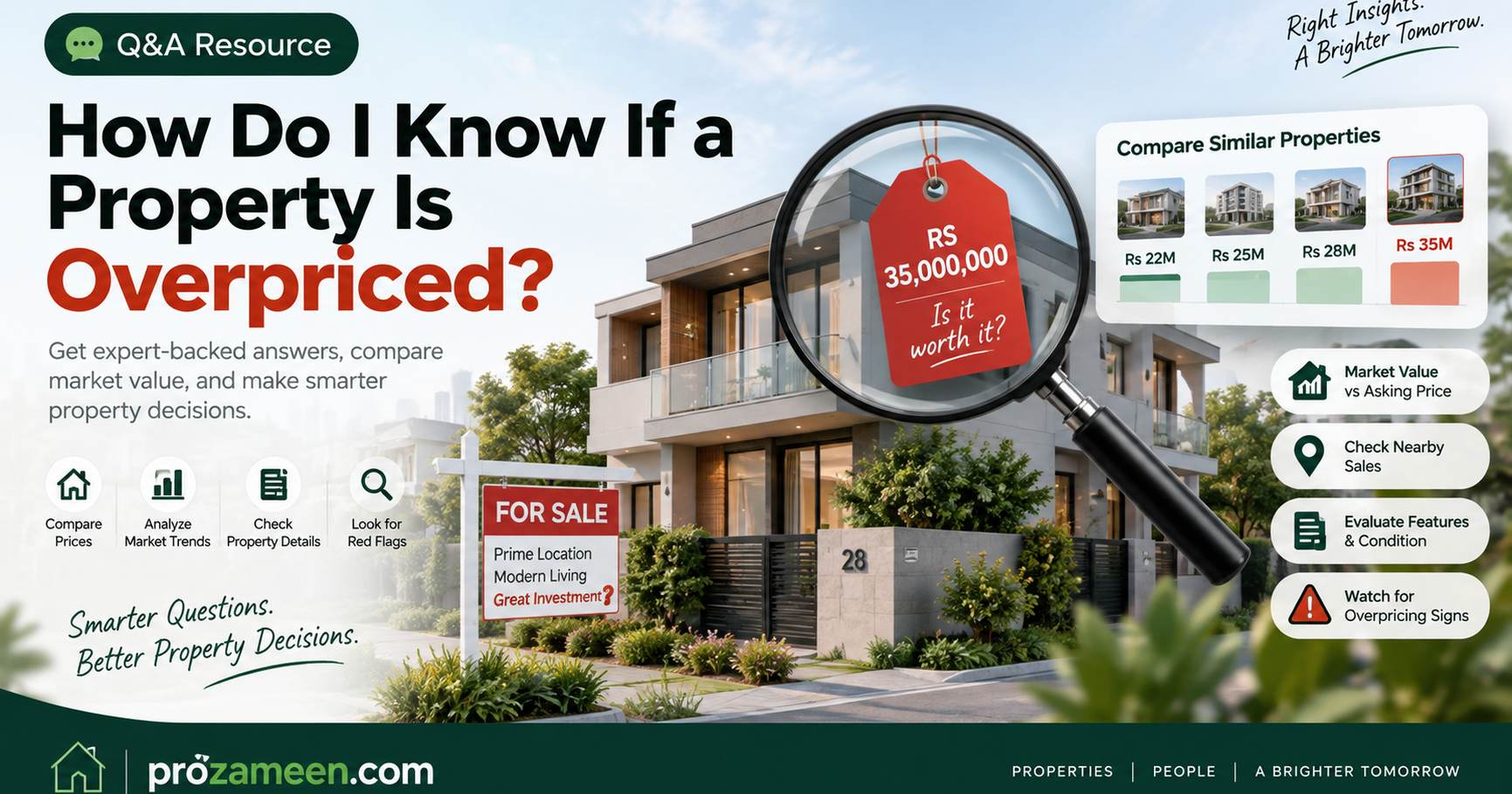
How Do I Know If a Property Is Overpriced?.
Learn how to identify an overpriced property by comparing similar homes, price per square meter, condition, location, market data, renovation costs and rental potential..
A property may be overpriced when its asking price is significantly higher than similar properties without clear differences in location, size, condition, features or other factors that justify the premium.
The best way to assess the asking price is to compare the property with relevant market information rather than relying on the seller's price alone.
Compare Similar Properties
Start by looking at properties that are genuinely comparable.
Consider homes with similar:
Location
Property type
Size
Number of bedrooms
Condition
Building age
Parking
Outdoor space
Amenities
The closer the comparison, the more useful it can be.
A large luxury apartment should not be compared directly with a smaller standard apartment simply because they are in the same neighbourhood.
Start by comparing recent transactions and similar properties using the Property Valuation Guide for Buyers & Investors and the Property Comparison Tool.
Check Recent Selling Prices
Where reliable transaction data is available, recent completed sales can provide useful information about what buyers have actually paid.
Compare the property's asking price with recent sales of similar properties.
Asking prices alone can be less reliable because they represent what sellers hope to receive rather than the final transaction value.
Compare Price per Square Meter
Price per square meter can help identify major pricing differences between similar properties.
A simple calculation is:
Price per Square Meter = Property Price ÷ Property Size
For example:
If a property costs 600,000 and has an area of 100 square meters:
600,000 ÷ 100 = 6,000 per square meter
Compare this figure with similar properties nearby.
However, do not use price per square meter alone. Floor level, views, condition, layout, parking and other features can justify differences.
Evaluate the Property Condition
A property in excellent condition may reasonably cost more than a similar property requiring extensive repairs.
Inspect:
Kitchen
Bathrooms
Flooring
Windows
Plumbing
Electrical systems
Heating
Roof where applicable
General maintenance
If significant repairs are required, estimate their likely cost and consider them when evaluating the asking price.
Look at the Exact Location
Even properties located close to each other can have different values.
Price differences may be influenced by:
Public transport
Schools
Shops
Parks
Views
Road noise
Parking
Building quality
Street position
Nearby development
Make sure the properties you compare have reasonably similar location characteristics.
Check How Long the Property Has Been Listed
A property that has remained on the market for a long period may deserve closer investigation.
Possible reasons may include:
High asking price
Property condition
Weak demand
Location concerns
Seller expectations
A long listing period does not automatically mean the property is overpriced, but it can be a useful signal to investigate further.
Look for Previous Price Changes
If available, check whether the asking price has been reduced or changed.
Several reductions may indicate that earlier price expectations did not match buyer demand.
However, price changes can happen for many reasons, so they should be considered together with other market information.
Consider Renovation Costs
A property may appear attractively priced until renovation expenses are included.
Estimate potential costs for:
Kitchen renovation
Bathroom renovation
Painting
Flooring
Electrical work
Plumbing
Structural repairs
Furnishing
Think about the total cost after necessary improvements, not just the purchase price.
Review Ongoing Property Costs
Higher ongoing costs can also affect the attractiveness of a property.
Check:
Service charges
Property taxes where applicable
Insurance
Maintenance
Parking
Utilities
Building fees
Two similarly priced properties can have very different long-term ownership costs.
Consider Rental Potential
If the property is being evaluated as an investment, compare the asking price with realistic rental income.
Review:
Market rent
Rental yield
Operating expenses
Vacancy risk
Expected cash flow
A high purchase price combined with relatively low rental income may deserve closer analysis.
For wider market context, review the Global Property Price Trends Report 2026, but remember that national or global price movements do not determine the value of an individual property.
Do Not Pay Extra Only Because of Marketing
Professional photography, attractive furniture and persuasive property descriptions can improve a listing, but they do not necessarily increase the property's underlying value.
Focus on measurable factors such as:
Location
Size
Condition
Comparable properties
Ownership costs
Market demand
Ask Why the Property Costs More
If a property is priced noticeably above comparable homes, identify what explains the difference.
There may be legitimate reasons, such as:
Superior renovation
Better view
Larger plot
Parking
Better building
Additional outdoor space
Unique location
Higher-quality construction
The important question is whether those differences justify the price premium for you.
The Bottom Line
A property is not necessarily overpriced simply because it is expensive. It becomes more questionable when the asking price is difficult to justify using comparable properties, condition, location and market information.
Use several sources of information rather than relying on one calculation.
For major property decisions, an independent professional valuation may also be useful.
Important Information
Property values and market conditions vary significantly by location and change over time.
Prozameen provides this Q&A for general informational and educational purposes only.
A property may be overpriced when its asking price is significantly higher than similar properties without clear differences in location, size, condition, features or other factors that justify the premium.
The best way to assess the asking price is to compare the property with relevant market information rather than relying on the seller's price alone.
Compare Similar Properties
Start by looking at properties that are genuinely comparable.
Consider homes with similar:
- Location
- Property type
- Size
- Number of bedrooms
- Condition
- Building age
- Parking
- Outdoor space
- Amenities
The closer the comparison, the more useful it can be.
A large luxury apartment should not be compared directly with a smaller standard apartment simply because they are in the same neighbourhood.
Start by comparing recent transactions and similar properties using the Property Valuation Guide for Buyers & Investors and the Property Comparison Tool.
Check Recent Selling Prices
Where reliable transaction data is available, recent completed sales can provide useful information about what buyers have actually paid.
Compare the property's asking price with recent sales of similar properties.
Asking prices alone can be less reliable because they represent what sellers hope to receive rather than the final transaction value.
Compare Price per Square Meter
Price per square meter can help identify major pricing differences between similar properties.
A simple calculation is:
Price per Square Meter = Property Price ÷ Property Size
For example:
If a property costs 600,000 and has an area of 100 square meters:
600,000 ÷ 100 = 6,000 per square meter
Compare this figure with similar properties nearby.
However, do not use price per square meter alone. Floor level, views, condition, layout, parking and other features can justify differences.
Evaluate the Property Condition
A property in excellent condition may reasonably cost more than a similar property requiring extensive repairs.
Inspect:
- Kitchen
- Bathrooms
- Flooring
- Windows
- Plumbing
- Electrical systems
- Heating
- Roof where applicable
- General maintenance
If significant repairs are required, estimate their likely cost and consider them when evaluating the asking price.
Look at the Exact Location
Even properties located close to each other can have different values.
Price differences may be influenced by:
- Public transport
- Schools
- Shops
- Parks
- Views
- Road noise
- Parking
- Building quality
- Street position
- Nearby development
Make sure the properties you compare have reasonably similar location characteristics.
Check How Long the Property Has Been Listed
A property that has remained on the market for a long period may deserve closer investigation.
Possible reasons may include:
- High asking price
- Property condition
- Weak demand
- Location concerns
- Seller expectations
A long listing period does not automatically mean the property is overpriced, but it can be a useful signal to investigate further.
Look for Previous Price Changes
If available, check whether the asking price has been reduced or changed.
Several reductions may indicate that earlier price expectations did not match buyer demand.
However, price changes can happen for many reasons, so they should be considered together with other market information.
Consider Renovation Costs
A property may appear attractively priced until renovation expenses are included.
Estimate potential costs for:
- Kitchen renovation
- Bathroom renovation
- Painting
- Flooring
- Electrical work
- Plumbing
- Structural repairs
- Furnishing
Think about the total cost after necessary improvements, not just the purchase price.
Review Ongoing Property Costs
Higher ongoing costs can also affect the attractiveness of a property.
Check:
- Service charges
- Property taxes where applicable
- Insurance
- Maintenance
- Parking
- Utilities
- Building fees
Two similarly priced properties can have very different long-term ownership costs.
Consider Rental Potential
If the property is being evaluated as an investment, compare the asking price with realistic rental income.
Review:
- Market rent
- Rental yield
- Operating expenses
- Vacancy risk
- Expected cash flow
A high purchase price combined with relatively low rental income may deserve closer analysis.
For wider market context, review the Global Property Price Trends Report 2026, but remember that national or global price movements do not determine the value of an individual property.
Do Not Pay Extra Only Because of Marketing
Professional photography, attractive furniture and persuasive property descriptions can improve a listing, but they do not necessarily increase the property's underlying value.
Focus on measurable factors such as:
- Location
- Size
- Condition
- Comparable properties
- Ownership costs
- Market demand
Ask Why the Property Costs More
If a property is priced noticeably above comparable homes, identify what explains the difference.
There may be legitimate reasons, such as:
- Superior renovation
- Better view
- Larger plot
- Parking
- Better building
- Additional outdoor space
- Unique location
- Higher-quality construction
The important question is whether those differences justify the price premium for you.
The Bottom Line
A property is not necessarily overpriced simply because it is expensive. It becomes more questionable when the asking price is difficult to justify using comparable properties, condition, location and market information.
Use several sources of information rather than relying on one calculation.
For major property decisions, an independent professional valuation may also be useful.
Important Information
Property values and market conditions vary significantly by location and change over time.
Prozameen provides this Q&A for general informational and educational purposes only.