Is It Better to Rent or Buy a Home in 2026?.
Renting or buying a home in 2026 depends on your budget, mortgage costs, expected length of stay, local property prices, rent, maintenance costs and need for flexibility..
There is no single answer that works for everyone. Renting may be better if you need flexibility, expect to move relatively soon or are not financially ready for ownership costs. Buying may make more sense if you expect to stay long term, have stable finances and can comfortably manage the full cost of owning a home.
The right decision depends on your personal finances, local housing market and future plans.
When Buying a Home May Make Sense
Buying may be worth considering when:
You expect to stay in the property for several years
Your income is reasonably stable
You have enough savings for a down payment
You can cover purchase and closing costs
Monthly ownership costs fit comfortably within your budget
You have money available for repairs and maintenance
You want greater control over your home
You are comfortable with the responsibilities of ownership
Buying can also allow you to build home equity as the mortgage balance is repaid.
However, property values can rise or fall, so future appreciation should never be assumed.
When Renting May Make More Sense
Renting may be more practical when:
You expect to move in the near future
Your employment or location may change
Buying would use most of your savings
Mortgage payments and ownership costs are significantly higher than rent
You do not want responsibility for major repairs
You value flexibility
You are still researching where you want to live long term
Renting does not automatically mean you are making a poor financial decision.
In some situations, maintaining flexibility and keeping more savings available can be more suitable than purchasing a property.
Do Not Compare Rent With Only the Mortgage Payment
One of the most common mistakes when comparing renting and buying is comparing monthly rent with only the mortgage payment.
Home ownership may also involve:
Property taxes where applicable
Home insurance
Mortgage insurance where applicable
Service or association charges
Maintenance
Repairs
Utilities
Registration or transaction costs
Future renovation expenses
Consumer-finance guidance specifically recommends considering these additional ownership costs rather than comparing rent only with mortgage principal and interest.
Think About How Long You Will Stay
Your expected length of stay can significantly affect the rent-versus-buy decision.
Buying and later selling a property may involve:
Purchase fees
Taxes
Legal costs
Financing costs
Selling costs
Agent commissions where applicable
If you need to sell again after a short period, these transaction costs can reduce or eliminate some of the financial benefits of ownership. CFPB guidance therefore highlights expected time in the home as an important part of the decision.
Compare the Real Monthly Cost
Create two realistic monthly estimates.
For renting, consider:
Monthly rent
Utilities
Insurance where applicable
Parking
Expected rent increases
For buying, consider:
Mortgage payment
Property taxes
Insurance
Service charges
Maintenance
Repairs
Utilities
Other recurring ownership costs
This creates a more useful comparison than looking at the headline rent and mortgage amounts alone.
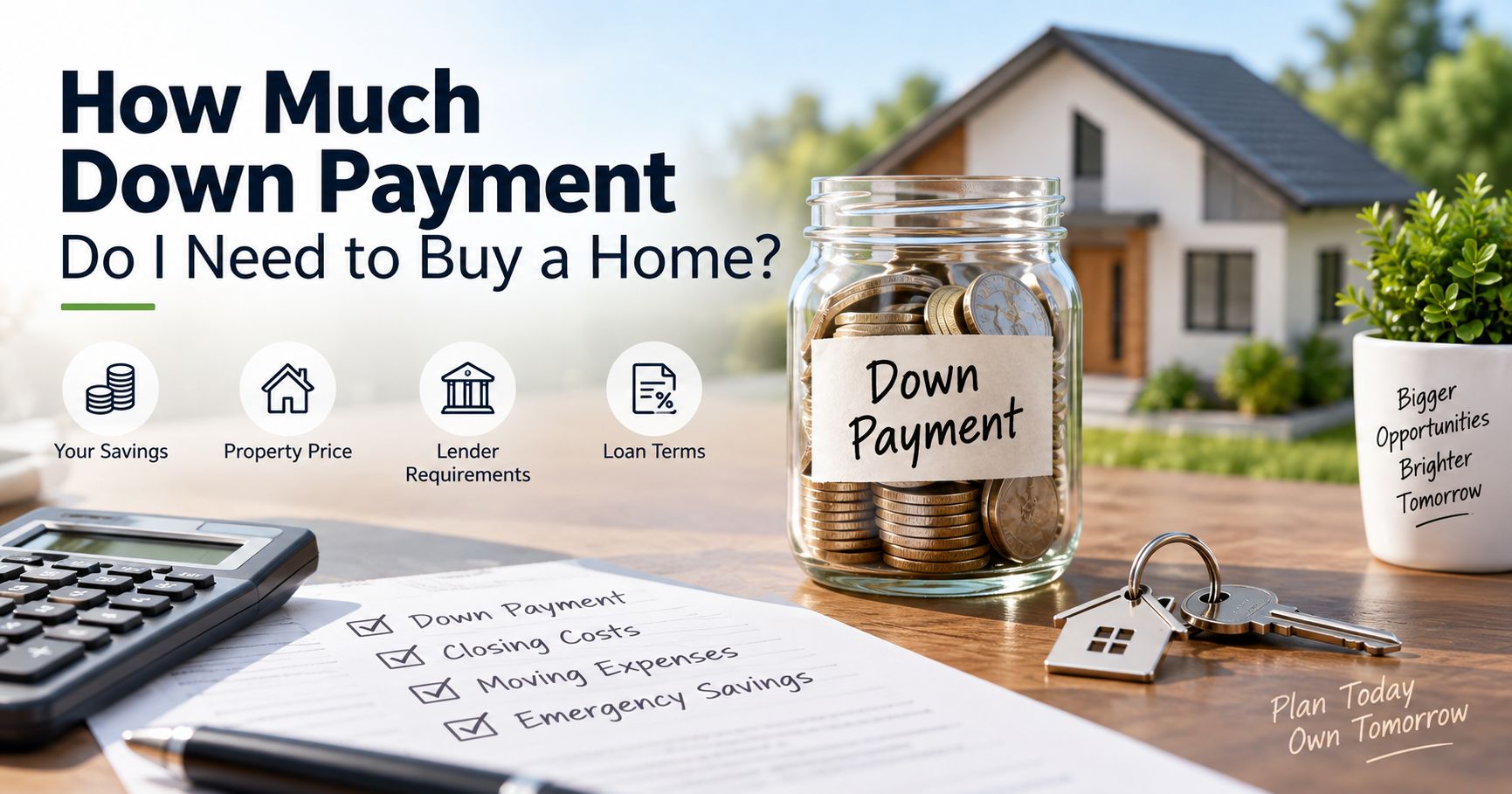
Consider Your Upfront Costs
Buying normally requires significantly more upfront cash than renting.
Depending on the market, you may need money for:
Down payment
Closing or transaction costs
Legal costs
Registration charges
Moving expenses
Initial repairs
Furniture
Emergency savings
Official consumer guidance also recommends preserving money for emergencies and other goals rather than using all available savings toward a home purchase.
Think Beyond the Financial Numbers
The rent-versus-buy decision is not purely mathematical.
Buying may offer:
Greater stability
More control over renovations
Longer-term housing security
Potential equity accumulation
Renting may offer:
Greater mobility
Fewer maintenance responsibilities
Lower upfront financial commitment
Easier relocation
Your lifestyle and future plans matter alongside the numbers.
A Simple Rent-or-Buy Decision Framework
Consider buying when you can confidently answer yes to most of these questions:
Can I comfortably afford the total monthly ownership cost?
Do I have sufficient savings after the purchase?
Do I expect to stay for several years?
Can I handle unexpected repairs?
Is my income reasonably stable?
Does buying compare reasonably with renting in this location?
Consider continuing to rent if several of those answers are no.
For broader market context, see the Rent vs Buy Market Report 2026. Buyers can also use the Mortgage / EMI Calculator and Property Ownership Cost Planner, while renters can estimate upfront expenses with the Rental Move-In Cost Planner.
The Bottom Line
Buying is not automatically better than renting, and renting is not automatically cheaper than buying.
The better option depends on your budget, time horizon, financing, local property prices, local rents, ownership costs and personal priorities.
Run the numbers using realistic assumptions before making the decision.
Important Information
Housing markets, mortgage rates, property prices, rents, taxes and ownership costs vary significantly by country and location.
Prozameen provides this Q&A for general informational and educational purposes only.
There is no single answer that works for everyone. Renting may be better if you need flexibility, expect to move relatively soon or are not financially ready for ownership costs. Buying may make more sense if you expect to stay long term, have stable finances and can comfortably manage the full cost of owning a home.
The right decision depends on your personal finances, local housing market and future plans.
When Buying a Home May Make Sense
Buying may be worth considering when:
- You expect to stay in the property for several years
- Your income is reasonably stable
- You have enough savings for a down payment
- You can cover purchase and closing costs
- Monthly ownership costs fit comfortably within your budget
- You have money available for repairs and maintenance
- You want greater control over your home
- You are comfortable with the responsibilities of ownership
Buying can also allow you to build home equity as the mortgage balance is repaid.
However, property values can rise or fall, so future appreciation should never be assumed.
When Renting May Make More Sense
Renting may be more practical when:
- You expect to move in the near future
- Your employment or location may change
- Buying would use most of your savings
- Mortgage payments and ownership costs are significantly higher than rent
- You do not want responsibility for major repairs
- You value flexibility
- You are still researching where you want to live long term
Renting does not automatically mean you are making a poor financial decision.
In some situations, maintaining flexibility and keeping more savings available can be more suitable than purchasing a property.
Do Not Compare Rent With Only the Mortgage Payment
One of the most common mistakes when comparing renting and buying is comparing monthly rent with only the mortgage payment.
Home ownership may also involve:
- Property taxes where applicable
- Home insurance
- Mortgage insurance where applicable
- Service or association charges
- Maintenance
- Repairs
- Utilities
- Registration or transaction costs
- Future renovation expenses
Consumer-finance guidance specifically recommends considering these additional ownership costs rather than comparing rent only with mortgage principal and interest.
Think About How Long You Will Stay
Your expected length of stay can significantly affect the rent-versus-buy decision.
Buying and later selling a property may involve:
- Purchase fees
- Taxes
- Legal costs
- Financing costs
- Selling costs
- Agent commissions where applicable
If you need to sell again after a short period, these transaction costs can reduce or eliminate some of the financial benefits of ownership. CFPB guidance therefore highlights expected time in the home as an important part of the decision.
Compare the Real Monthly Cost
Create two realistic monthly estimates.
For renting, consider:
- Monthly rent
- Utilities
- Insurance where applicable
- Parking
- Expected rent increases
For buying, consider:
- Mortgage payment
- Property taxes
- Insurance
- Service charges
- Maintenance
- Repairs
- Utilities
- Other recurring ownership costs
This creates a more useful comparison than looking at the headline rent and mortgage amounts alone.
Consider Your Upfront Costs
Buying normally requires significantly more upfront cash than renting.
Depending on the market, you may need money for:
- Down payment
- Closing or transaction costs
- Legal costs
- Registration charges
- Moving expenses
- Initial repairs
- Furniture
- Emergency savings
Official consumer guidance also recommends preserving money for emergencies and other goals rather than using all available savings toward a home purchase.
Think Beyond the Financial Numbers
The rent-versus-buy decision is not purely mathematical.
Buying may offer:
- Greater stability
- More control over renovations
- Longer-term housing security
- Potential equity accumulation
Renting may offer:
- Greater mobility
- Fewer maintenance responsibilities
- Lower upfront financial commitment
- Easier relocation
Your lifestyle and future plans matter alongside the numbers.
A Simple Rent-or-Buy Decision Framework
Consider buying when you can confidently answer yes to most of these questions:
- Can I comfortably afford the total monthly ownership cost?
- Do I have sufficient savings after the purchase?
- Do I expect to stay for several years?
- Can I handle unexpected repairs?
- Is my income reasonably stable?
- Does buying compare reasonably with renting in this location?
Consider continuing to rent if several of those answers are no.
For broader market context, see the Rent vs Buy Market Report 2026. Buyers can also use the Mortgage / EMI Calculator and Property Ownership Cost Planner, while renters can estimate upfront expenses with the Rental Move-In Cost Planner.
The Bottom Line
Buying is not automatically better than renting, and renting is not automatically cheaper than buying.
The better option depends on your budget, time horizon, financing, local property prices, local rents, ownership costs and personal priorities.
Run the numbers using realistic assumptions before making the decision.
Important Information
Housing markets, mortgage rates, property prices, rents, taxes and ownership costs vary significantly by country and location.
Prozameen provides this Q&A for general informational and educational purposes only.