How Much House Can I Realistically Afford?.
Learn how to estimate how much house you can realistically afford by considering income, monthly expenses, down payment, mortgage costs and ongoing home ownership expenses..
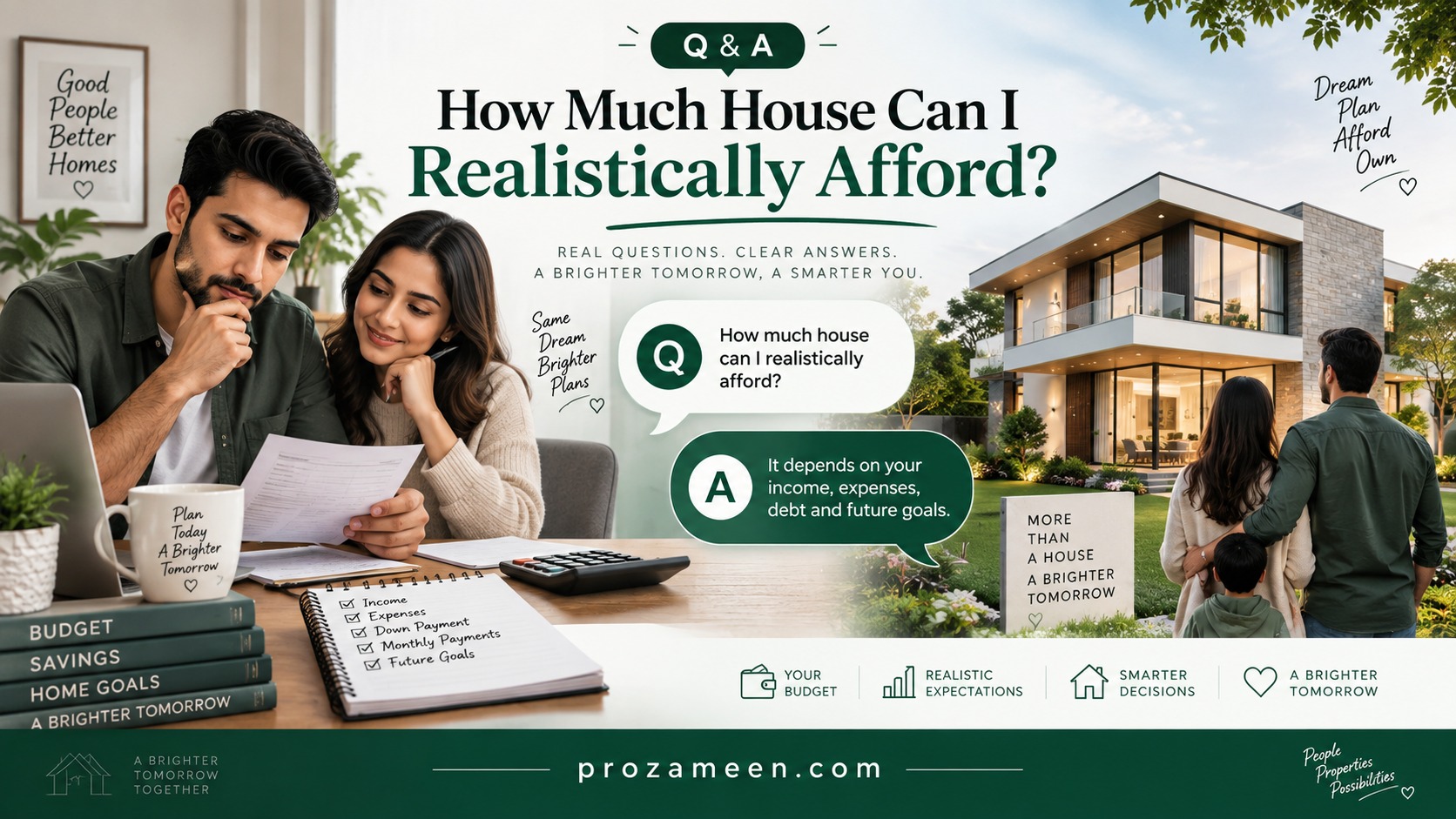
The amount of house you can realistically afford is not simply the maximum amount a lender may be willing to finance. A comfortable property budget should consider your income, existing expenses, down payment, mortgage payment, ownership costs and the savings you want to keep after buying.
The goal should be to find a property price that fits your overall financial situation without making your monthly budget unnecessarily tight.
Start With Your Monthly Budget
Before looking at property prices, understand how much you can comfortably spend on housing each month.
Review:
Monthly income
Existing loan payments
Credit obligations
Household expenses
Transport costs
Food and everyday spending
Savings goals
Emergency savings
The amount left after your regular commitments can help you understand how much room you realistically have for housing costs.
To estimate affordability more realistically, use the Mortgage / EMI Calculator, Down Payment Calculator and Property Purchase Cost Planner rather than looking only at the advertised property price.
Do Not Look at the Mortgage Payment Alone
Your monthly housing cost can include more than the mortgage.
Depending on your country and property type, you may also need to consider:
Property taxes
Home insurance
Mortgage insurance where applicable
Service or association charges
Utilities
Property maintenance
Repairs
Parking costs
A property may appear affordable based on the mortgage payment but become much more expensive once these additional costs are included.
Consider Your Down Payment
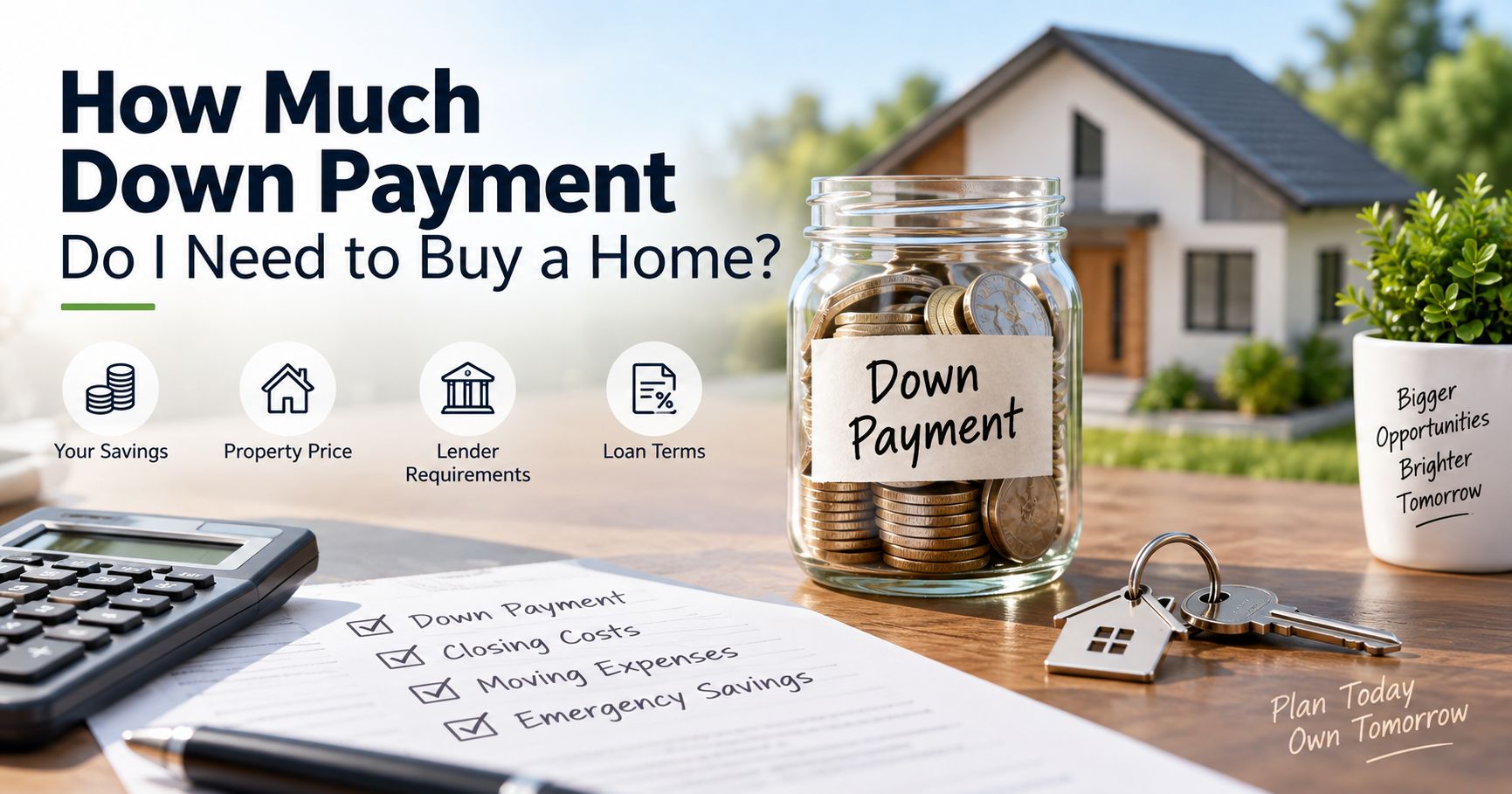
Your down payment affects how much you need to borrow.
A larger down payment generally reduces the required loan amount and may reduce your monthly mortgage payment.
However, avoid using all your available savings for the down payment.
You may still need money for:
Purchase costs
Moving
Furniture
Repairs
Renovation
Utility setup
Emergency expenses
Keeping a financial reserve after purchasing can make home ownership easier to manage.
Interest Rates Matter
Mortgage interest rates can significantly affect affordability.
The same property price can produce very different monthly payments depending on the interest rate and loan term.
When estimating affordability, test more than one financing scenario.
For example, consider how your budget would look if:
Interest rates increased
Your monthly payment became higher
Your household expenses increased
This can help you avoid choosing a property that only works under ideal conditions.
Consider the Loan Term
A longer mortgage term may reduce the monthly payment but can increase the total interest paid over the life of the loan.
A shorter term may increase monthly payments while reducing the repayment period.
When comparing loans, consider both:
Monthly affordability
Total borrowing cost
Think About Your Lifestyle
A technically affordable mortgage may still be uncomfortable if it prevents you from meeting other financial priorities.
Consider whether you still want room in your budget for:
Travel
Family expenses
Education
Retirement savings
Investments
Entertainment
Emergency savings
Your home should fit into your financial life rather than consume the entire budget.
How Much Should You Keep in Savings?
Avoid planning a property purchase that leaves you with little or no cash available afterward.
Unexpected home ownership costs can appear soon after moving in.
Having an emergency reserve can help cover events such as:
Plumbing repairs
Appliance replacement
Heating problems
Electrical repairs
Insurance deductibles
Temporary income changes
The right reserve depends on your own financial circumstances.
For a broader understanding of financing conditions, read the Property Financing Guide for Home Buyers and the Global Housing Affordability Report 2026.
Maximum Loan vs Comfortable Home Price
There is an important difference between:
Maximum borrowing capacity — how much a lender may be prepared to lend.
and
Comfortable affordability — how much you can repay while continuing to manage your other expenses and financial goals.
Your personal property budget may therefore be lower than the maximum amount offered by a lender.
A Simple Affordability Check
Before deciding on a property price, ask yourself:
Can I comfortably make the monthly mortgage payment?
Can I pay the other ownership costs?
Will I still have emergency savings?
Can I continue saving each month?
Could I manage a higher payment if costs rise?
Can I handle unexpected repairs?
Will this property leave room for my other financial goals?
If several answers are no, consider a lower property budget.
Use Realistic Numbers
Avoid basing affordability calculations on:
Expected future salary increases
Unrealistically low expenses
The lowest possible interest rate
No repair costs
No unexpected expenses
Using conservative assumptions can provide a more useful picture of what you can realistically afford.
The Bottom Line
The right home price is the amount you can comfortably afford, not necessarily the maximum amount you can borrow.
Consider your monthly budget, down payment, mortgage terms, ownership expenses and financial reserves together before setting your property price range.
Important Information
Mortgage rules, lending requirements, interest rates, taxes and property ownership costs vary by country, lender and individual circumstances.
Prozameen provides this Q&A for general informational and educational purposes only.
The amount of house you can realistically afford is not simply the maximum amount a lender may be willing to finance. A comfortable property budget should consider your income, existing expenses, down payment, mortgage payment, ownership costs and the savings you want to keep after buying.
The goal should be to find a property price that fits your overall financial situation without making your monthly budget unnecessarily tight.
Start With Your Monthly Budget
Before looking at property prices, understand how much you can comfortably spend on housing each month.
Review:
- Monthly income
- Existing loan payments
- Credit obligations
- Household expenses
- Transport costs
- Food and everyday spending
- Savings goals
- Emergency savings
The amount left after your regular commitments can help you understand how much room you realistically have for housing costs.
To estimate affordability more realistically, use the Mortgage / EMI Calculator, Down Payment Calculator and Property Purchase Cost Planner rather than looking only at the advertised property price.
Do Not Look at the Mortgage Payment Alone
Your monthly housing cost can include more than the mortgage.
Depending on your country and property type, you may also need to consider:
- Property taxes
- Home insurance
- Mortgage insurance where applicable
- Service or association charges
- Utilities
- Property maintenance
- Repairs
- Parking costs
A property may appear affordable based on the mortgage payment but become much more expensive once these additional costs are included.
Consider Your Down Payment
Your down payment affects how much you need to borrow.
A larger down payment generally reduces the required loan amount and may reduce your monthly mortgage payment.
However, avoid using all your available savings for the down payment.
You may still need money for:
- Purchase costs
- Moving
- Furniture
- Repairs
- Renovation
- Utility setup
- Emergency expenses
Keeping a financial reserve after purchasing can make home ownership easier to manage.
Interest Rates Matter
Mortgage interest rates can significantly affect affordability.
The same property price can produce very different monthly payments depending on the interest rate and loan term.
When estimating affordability, test more than one financing scenario.
For example, consider how your budget would look if:
- Interest rates increased
- Your monthly payment became higher
- Your household expenses increased
This can help you avoid choosing a property that only works under ideal conditions.
Consider the Loan Term
A longer mortgage term may reduce the monthly payment but can increase the total interest paid over the life of the loan.
A shorter term may increase monthly payments while reducing the repayment period.
When comparing loans, consider both:
- Monthly affordability
- Total borrowing cost
Think About Your Lifestyle
A technically affordable mortgage may still be uncomfortable if it prevents you from meeting other financial priorities.
Consider whether you still want room in your budget for:
- Travel
- Family expenses
- Education
- Retirement savings
- Investments
- Entertainment
- Emergency savings
Your home should fit into your financial life rather than consume the entire budget.
How Much Should You Keep in Savings?
Avoid planning a property purchase that leaves you with little or no cash available afterward.
Unexpected home ownership costs can appear soon after moving in.
Having an emergency reserve can help cover events such as:
- Plumbing repairs
- Appliance replacement
- Heating problems
- Electrical repairs
- Insurance deductibles
- Temporary income changes
The right reserve depends on your own financial circumstances.
For a broader understanding of financing conditions, read the Property Financing Guide for Home Buyers and the Global Housing Affordability Report 2026.
Maximum Loan vs Comfortable Home Price
There is an important difference between:
Maximum borrowing capacity — how much a lender may be prepared to lend.
and
Comfortable affordability — how much you can repay while continuing to manage your other expenses and financial goals.
Your personal property budget may therefore be lower than the maximum amount offered by a lender.
A Simple Affordability Check
Before deciding on a property price, ask yourself:
- Can I comfortably make the monthly mortgage payment?
- Can I pay the other ownership costs?
- Will I still have emergency savings?
- Can I continue saving each month?
- Could I manage a higher payment if costs rise?
- Can I handle unexpected repairs?
- Will this property leave room for my other financial goals?
If several answers are no, consider a lower property budget.
Use Realistic Numbers
Avoid basing affordability calculations on:
- Expected future salary increases
- Unrealistically low expenses
- The lowest possible interest rate
- No repair costs
- No unexpected expenses
Using conservative assumptions can provide a more useful picture of what you can realistically afford.
The Bottom Line
The right home price is the amount you can comfortably afford, not necessarily the maximum amount you can borrow.
Consider your monthly budget, down payment, mortgage terms, ownership expenses and financial reserves together before setting your property price range.
Important Information
Mortgage rules, lending requirements, interest rates, taxes and property ownership costs vary by country, lender and individual circumstances.
Prozameen provides this Q&A for general informational and educational purposes only.