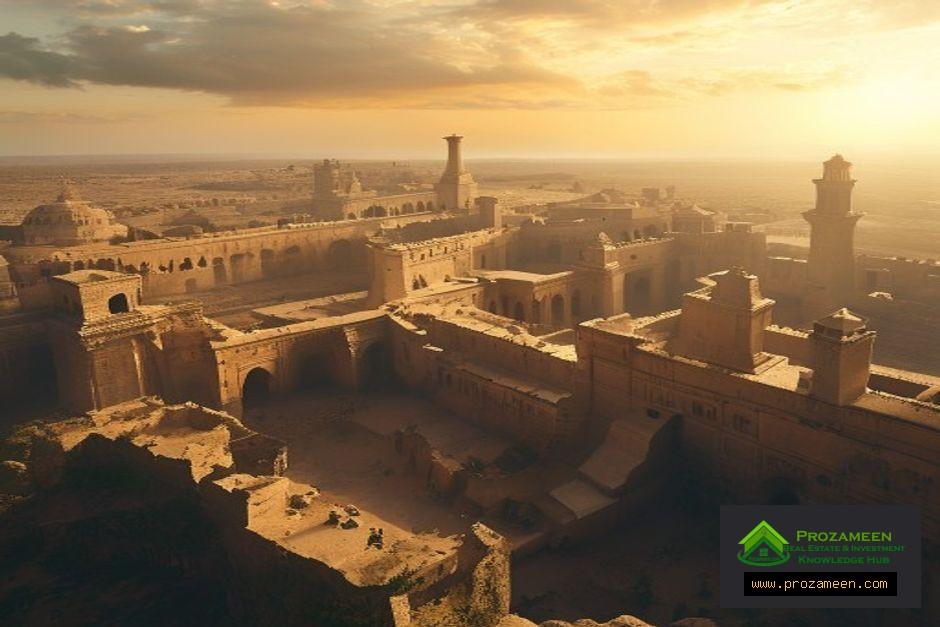
Unveiling the Ancient Secrets of Mohenjo-Daro: A City of Wonder in Larkana, Sindh, Pakistan
Mohenjo-Daro, an archaeological site in Larkana, Sindh, Pakistan, is one of the most fascinating ancient cities in the world. Dating back to the Indus Valley Civilization, this city has been a subject of interest for historians, archaeologists, and tourists alike. In this article, we will delve into the history of Mohenjo-Daro, its significance, and what it has to offer in terms of real estate, infrastructure, and living conditions.
History of Mohenjo-Daro
Mohenjo-Daro was built around 2500 BCE and was one of the largest cities of the Indus Valley Civilization. The city was known for its sophisticated urban planning, architecture, and water management system. The city's name, Mohenjo-Daro, translates to 'Mound of the Dead' in Sindhi. The city was abandoned around 1900 BCE, and its ruins were rediscovered in the 1920s by British archaeologist Sir John Marshall.
Location Overview
Mohenjo-Daro is located in the Larkana district of Sindh, Pakistan. The city is situated on the west bank of the Indus River, about 28 kilometers from the city of Larkana. The site is easily accessible by road and is a popular tourist destination.
Property Market
The property market in and around Mohenjo-Daro is relatively small, with a limited number of residential and commercial properties available. However, the area is gaining popularity among tourists and investors, and the demand for properties is expected to increase in the coming years. The prices of properties in the area are relatively affordable, with a range of options available to suit different budgets.
Infrastructure
The infrastructure in and around Mohenjo-Daro is basic, with limited amenities and services available. However, the area is well-connected to the city of Larkana, which offers a range of amenities, including schools, hospitals, and shopping centers. The site is also close to the Indus River, which offers opportunities for boating and fishing.
Living Conditions
The living conditions in and around Mohenjo-Daro are simple, with limited amenities and services available. However, the area is rich in history and culture, and offers a unique opportunity to experience the traditional way of life in rural Sindh. The site is also close to the city of Larkana, which offers a range of amenities and services.
Investment Potential
Mohenjo-Daro has significant investment potential, particularly in the tourism sector. The site is a popular tourist destination, and there is a growing demand for accommodation and other tourist facilities. The area also offers opportunities for investment in agriculture, with the fertile soil and favorable climate making it an ideal location for farming.
Real Estate Opportunities
Despite the limited property market, there are opportunities for real estate investment in and around Mohenjo-Daro. The area is expected to see an increase in tourism, which will drive up demand for accommodation and other facilities. Investors can consider building hotels, resorts, and other tourist infrastructure to cater to the growing number of visitors. Additionally, the area's rich history and culture make it an attractive location for heritage tourism, which can be a lucrative investment opportunity.
Challenges and Limitations
However, there are also challenges and limitations to investing in Mohenjo-Daro. The area's infrastructure is basic, and there may be limitations on access to amenities and services. Additionally, the site is a protected archaeological area, which may impose restrictions on development and construction. Investors will need to carefully consider these challenges and limitations before making a decision.
Economic Benefits
The development of Mohenjo-Daro as a tourist destination can have significant economic benefits for the local community. The creation of jobs in the tourism sector can help to boost the local economy and improve living standards. Additionally, the influx of tourists can help to stimulate local businesses, such as hotels, restaurants, and shops. The area's rich history and culture can also be used to promote cultural tourism, which can help to preserve and promote the local heritage.
Preservation and Conservation
However, it is also important to ensure that the development of Mohenjo-Daro as a tourist destination is done in a sustainable and responsible manner. The site is a protected archaeological area, and any development must be carefully managed to ensure that it does not damage the site or its surroundings. The local authorities and stakeholders must work together to ensure that the site is preserved and conserved for future generations.
Conclusion
In conclusion, Mohenjo-Daro is a fascinating ancient city with a rich history and culture. The area has significant investment potential, particularly in the tourism sector. However, there are also challenges and limitations to investing in the area, and any development must be carefully managed to ensure that it is sustainable and responsible. With careful planning and management, Mohenjo-Daro can be developed as a thriving tourist destination that benefits the local community and preserves the site's rich history and culture.
Future Prospects
The future prospects for Mohenjo-Daro are exciting and promising. The area is expected to see an increase in tourism, which will drive up demand for accommodation and other facilities. The site's rich history and culture make it an attractive location for heritage tourism, which can be a lucrative investment opportunity. With careful planning and management, Mohenjo-Daro can be developed as a thriving tourist destination that benefits the local community and preserves the site's rich history and culture.
Recommendations
Based on the analysis, it is recommended that investors consider Mohenjo-Daro as a potential investment opportunity. The area's rich history and culture, combined with its natural beauty and strategic location, make it an attractive location for tourism and other investments. However, investors must carefully consider the challenges and limitations of investing in the area and work with local stakeholders to ensure that any development is sustainable and responsible.