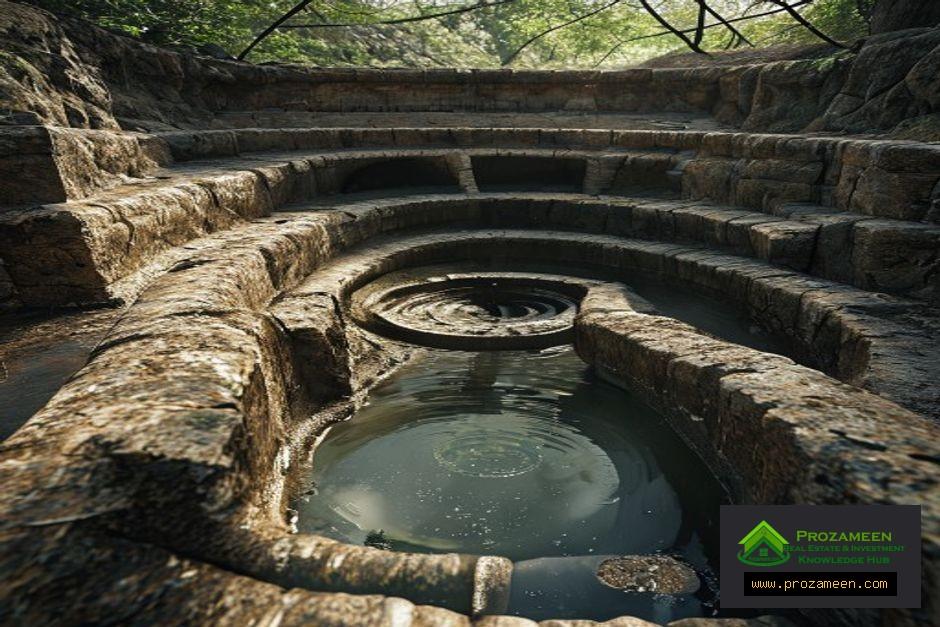
Unveiling the Ancient Marvel: Drainage System of Mohenjo-Daro, Pakistan
Mohenjo-Daro, an ancient city located in the Larkana district of Sindh, Pakistan, is renowned for its sophisticated urban planning and impressive architectural achievements. One of the most fascinating aspects of this ancient civilization is its well-planned drainage system, which has garnered significant attention from archaeologists, historians, and engineers alike.
Location Overview
Mohenjo-Daro is situated in the Indus Valley, approximately 28 kilometers from the city of Larkana. The site was first discovered in the 1920s, and since then, numerous excavations have uncovered the remnants of a once-thriving city that dates back to the Bronze Age.
Drainage System of Mohenjo-Daro
The drainage system of Mohenjo-Daro is an exemplary model of ancient engineering. The city's planners designed a complex network of drains, sewage systems, and water management structures that were unparalleled in the ancient world. The system was designed to ensure the efficient disposal of waste and rainwater, which helped maintain a clean and healthy environment for the city's inhabitants.
Property Market and Infrastructure
While Mohenjo-Daro is an ancient archaeological site, the surrounding area has seen significant development in recent years. The property market in Larkana and nearby areas has experienced growth, with new residential and commercial projects being launched. The infrastructure in the region is also being improved, with better road connectivity, healthcare facilities, and educational institutions.
Living Conditions and Investment Potential
The living conditions in and around Mohenjo-Daro are relatively modest, with basic amenities available. However, the area holds significant investment potential, particularly in the tourism and hospitality sectors. The Pakistani government has launched initiatives to promote tourism in the region, which is expected to boost economic growth and create new opportunities for investors.
Archaeological Significance
Mohenjo-Daro is a treasure trove of archaeological significance, with numerous excavations unearthing a plethora of artifacts, including pottery, jewelry, and other relics. The site provides a unique glimpse into the lives of the people who inhabited the city over 4,000 years ago, offering insights into their culture, traditions, and way of life. The discovery of the famous "Dancing Girl" statue, a bronze figurine depicting a young woman in a pose, is one of the most notable finds from the site.
Economic Impact of Tourism
The tourism industry has the potential to be a significant contributor to the local economy, with thousands of visitors flocking to the site every year. The Pakistani government has launched initiatives to promote tourism in the region, including the development of infrastructure, such as hotels, restaurants, and transportation services. However, the area still faces challenges, including a lack of amenities and services, which can make it difficult for tourists to navigate the site.
Challenges and Opportunities
Despite the many opportunities presented by Mohenjo-Daro, the site also faces several challenges, including the need for conservation and preservation. The harsh weather conditions and lack of funding have taken a toll on the site, with many of the excavated structures in need of repair and maintenance. Additionally, the site is vulnerable to looting and vandalism, which can result in the loss of valuable artifacts and historical information.
Conservation Efforts
In recent years, conservation efforts have been undertaken to protect the site and its artifacts. The Pakistani government, in collaboration with international organizations, has launched initiatives to restore and preserve the site, including the development of a museum and conservation laboratory. These efforts aim to safeguard the site's integrity and ensure that it remains a valuable resource for future generations.
Cultural Significance
Mohenjo-Daro is not only an archaeological site but also a cultural icon, symbolizing the rich history and heritage of the region. The site has been recognized as a UNESCO World Heritage Site, acknowledging its cultural and historical significance. The site's cultural significance extends beyond its historical value, with many locals considering it a source of national pride and identity.
Investment Opportunities
The area surrounding Mohenjo-Daro presents several investment opportunities, particularly in the tourism and hospitality sectors. Investors can capitalize on the growing demand for accommodation, food, and transportation services, as well as the development of infrastructure, such as roads and amenities. Additionally, the site's cultural significance and historical value make it an attractive location for cultural and educational institutions, such as museums and research centers.
Future Prospects
The future prospects for Mohenjo-Daro are promising, with the site expected to continue to attract tourists and investors. The Pakistani government's initiatives to promote tourism and conservation efforts are expected to boost economic growth and create new opportunities for the local community. As the site continues to be developed and preserved, it is likely to remain a significant cultural and historical icon, attracting visitors and scholars from around the world.
Sustainability and Management
The sustainable management of Mohenjo-Daro is crucial to its long-term preservation and conservation. The site requires careful planning and management to balance the needs of tourism, conservation, and the local community. The development of sustainable tourism practices, such as eco-tourism and responsible travel, can help minimize the site's environmental impact while promoting economic growth and cultural exchange.
Community Engagement
Community engagement is essential to the success of Mohenjo-Daro's conservation and tourism efforts. The local community has a significant stake in the site's preservation and development, and their involvement is crucial to its long-term sustainability. Community-based initiatives, such as cultural festivals and educational programs, can help promote the site's cultural significance and historical value, while also providing economic benefits to the local community.